Written in the Customer's Hand: What Global Reviews Say When You're Not Listening
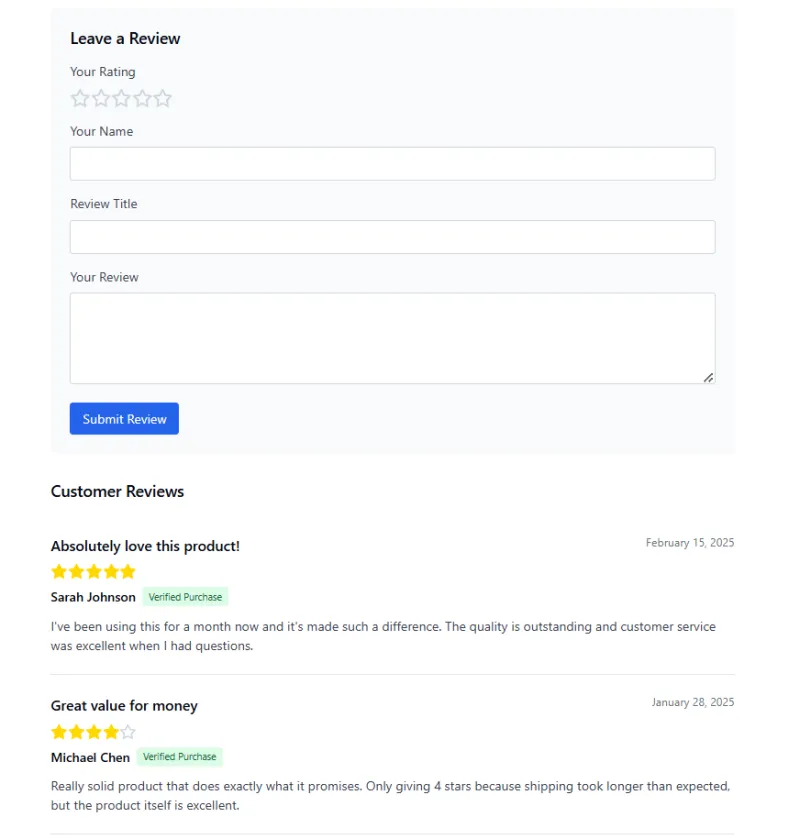
Photo: Rikulpatel1, CC0, via Wikimedia Commons
There is a familiar ritual in American marketing departments: the localization review. Copy is pored over, brand voice is protected, native speakers weigh in on every tagline. Enormous care goes into what the company says. Then the product ships, the customers respond — in German, in Japanese, in Portuguese — and almost nobody at headquarters can read a word of it.
This asymmetry has become one of the stranger blind spots of global business. Companies will spend six figures localizing a campaign and zero dollars understanding the review it generates. The conversation about the brand, conducted in languages the brand doesn't monitor, becomes the most influential content in the market.
Reviews Are the Real Localization Test
Marketing copy is written by people who are paid to like the product. Reviews are written by people who used it. When a Brazilian customer leaves a three-star review complaining that the app's Portuguese feels machine-translated, that review is doing something no internal QA report can: it documents how the localization actually landed. Aggregated across hundreds of reviews, these texts form a continuous, unsolicited audit of every localization decision a company has made — if anyone bothers to read them.
Most don't. Reputation management tools in the US market overwhelmingly surface English-language mentions. A German-language review on a German platform may as well not exist in the average American dashboard. Meanwhile, prospective customers in that market are reading every word, and weighting them heavily, because reviews in one's own language carry a credibility that translated marketing never can.
The One-Star Experience No Translation Can Fix
The title of this problem is worth stating plainly: a five-star translation of a one-star experience persuades no one. If the product breaks, the support queue is slow, and the return process is hostile, fluent marketing only sharpens the contrast between promise and delivery. Global customers increasingly read polished localized copy with suspicion precisely because they have learned that fluency and quality are independent variables.
The reverse is also true, and less appreciated. A company that visibly responds to local-language reviews — in the local language, with specifics, not boilerplate — signals an operational presence that no campaign can purchase. In markets like Japan, where a brand's responsiveness is read as a proxy for its reliability, an in-language reply to a complaint can do more for reputation than a month of advertising.
Building a Listening Practice
Closing the loop requires three commitments, none of them exotic.
Monitor in-language, not in translation. Aggregate reviews and ratings from the platforms that matter in each market — Rakuten and Kakaku in Japan, Cdiscount and Fnac in France, Mercado Libre across Latin America. Machine translation can triage volume, but professional review is needed to catch the nuance: sarcasm, hedging, and culturally specific complaints do not survive automated pipelines intact.
Respond in-language, with authority. A response translated overnight by whoever is available tends to be either generic or wrong, and sometimes both. Establishing a workflow with professional linguists — including review of anything that touches refunds, safety, or legal exposure — turns reputation management from improvisation into process.
Feed the findings back into the business. Reviews are free product research. Recurring complaints about a mistranslated error message, a confusing checkout, or an unsupported language belong in the product roadmap, not in a quarterly report nobody reads.
The Conversation Happens With or Without You
Every market your company enters already has a conversation about you — or about your absence. It is conducted in the local language, on local platforms, according to local expectations about what a good company does when a customer is unhappy. Ignoring it is not neutrality; it is a decision to let others define you.
The brands that win globally are not the ones that speak the most languages. They are the ones that listen in all of them.