What Gets Left in Translation: Seven Japanese Ideas American Business Should Borrow
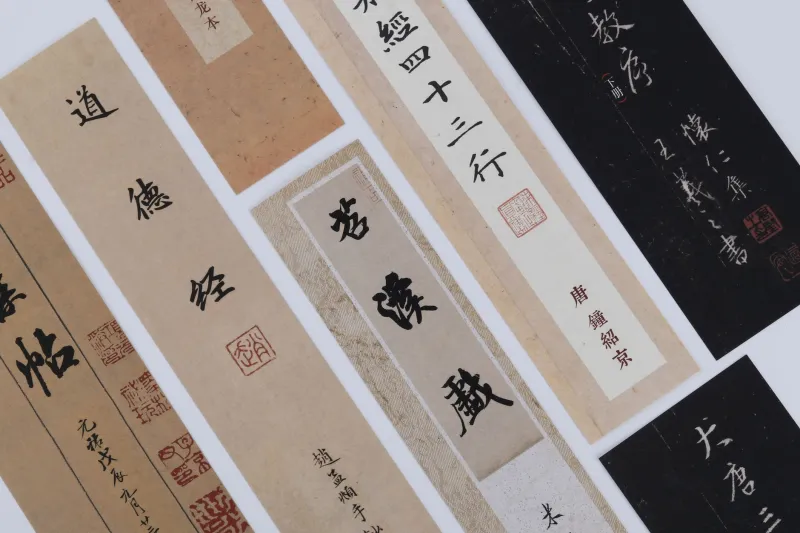
There is a particular kind of word that dictionaries cannot hold: a term so embedded in a culture's working life that any English equivalent flattens it. Japanese business vocabulary is rich with these. For American companies expanding into Asia-Pacific, understanding them is not a linguistic nicety—it is a competitive necessity.
Seven Concepts Worth the Effort
1. Kaizen (改善) — Often rendered as "continuous improvement," kaizen is less a program than a posture: the belief that small, daily refinements by everyone—especially frontline workers—compound into excellence. American firms that import kaizen as a slogan miss that it redistributes authority downward.
2. Omotenashi (おもてなし) — Frequently translated as "hospitality," omotenashi describes service so anticipatory that the guest never has to ask. It implies care without expectation of acknowledgment—a subtle but profound shift from transactional customer service.
3. Nemawashi (根回し) — Literally "root binding," this is the practice of laying groundwork with stakeholders informally before any formal meeting. In Japan, the meeting ratifies a decision; nemawashi is where the decision actually happens. American executives who skip this step often find their proposals mysteriously stalled.
4. Ho-ren-so (報連相) — A shorthand for houkoku (report), renraku (contact), and soudan (consult). It codifies rapid, structured information-sharing upward—an operational habit rather than a policy document.
5. Monozukuri (ものづくり) — "Making things" is the shallow reading. Monozukuri conveys pride in craftsmanship and the integration of spirit into production—a philosophy that shaped Japan's manufacturing reputation.
6. Wa (和) — Harmony, but as an active operational value: the deliberate maintenance of group cohesion that makes consensus-driven organizations function.
7. Hatarakikata (働き方) — "Way of working," a concept encompassing how labor fits into a life, now central to Japan's national conversation on workplace reform. It reframes HR from administration to philosophy.
Why Untranslatability Is the Point
Each of these terms compresses a worldview into a few syllables. When a US company works with linguists who grasp that depth—translators who know that nemawashi is a process, not a word—the difference shows up in negotiations, supplier relationships, and partnership building. You stop hearing what was said and start understanding what was meant.
This is the philosophy behind our own name. Ebisu, one of Japan's Seven Lucky Gods, is the patron of fishermen and merchants—a figure of honest work and prosperous exchange. It is a reminder that language services at their best are not conversion but commerce built on understanding.
The Practical Takeaway
For American firms, the path forward is straightforward: hire translation partners who are cultural interpreters, not converters. Ask your providers how they handle untranslatable concepts. If the answer is a footnote, keep looking. The companies that thrive in Japan and across APAC are those that treat nuance as an asset—and the concepts above are a good place to start listening differently.